1. Is it possible to go? (Feasibility of the journey)
It is entirely possible to go.
Distance: The total travel distance is about 250-300km (depending on the specific route you choose through various districts), which is a manageable distance for a 4-day journey (averaging 70-80km per day).
Transportation: Most suitable for motorbikes or private/rented cars.
Road Conditions: The roads are mostly provincial and national highways, paved, and much easier to navigate than the treacherous mountain passes in Lung Cu or Ma Pi Leng (Ha Giang). However, there are still many steep sections and sharp turns (“hairpin bends”), requiring the driver to be confident and careful.
Accommodation: Lodging services at the stopover points (Bac Me, Bao Lac, Tinh Tuc, Trung Khanh) offer basic, comfortable homestays and guesthouses, which are easy to book.
2. Should you go? (Experience and Value)
The answer is: DEFINITELY GO!
This journey offers a wonderful diversity of landscapes and cultures that few other routes can match. It is the perfect combination of the towering “cat-ear” karst mountains of Ha Giang and the picturesque, majestic waterfalls and serene waters of Cao Bang.
Advantages of the itinerary:
Unique and beautiful route: You will pass through areas with fewer mainstream tourists, discovering distinctive local cultures of the Tay, Nung, and Dao people.
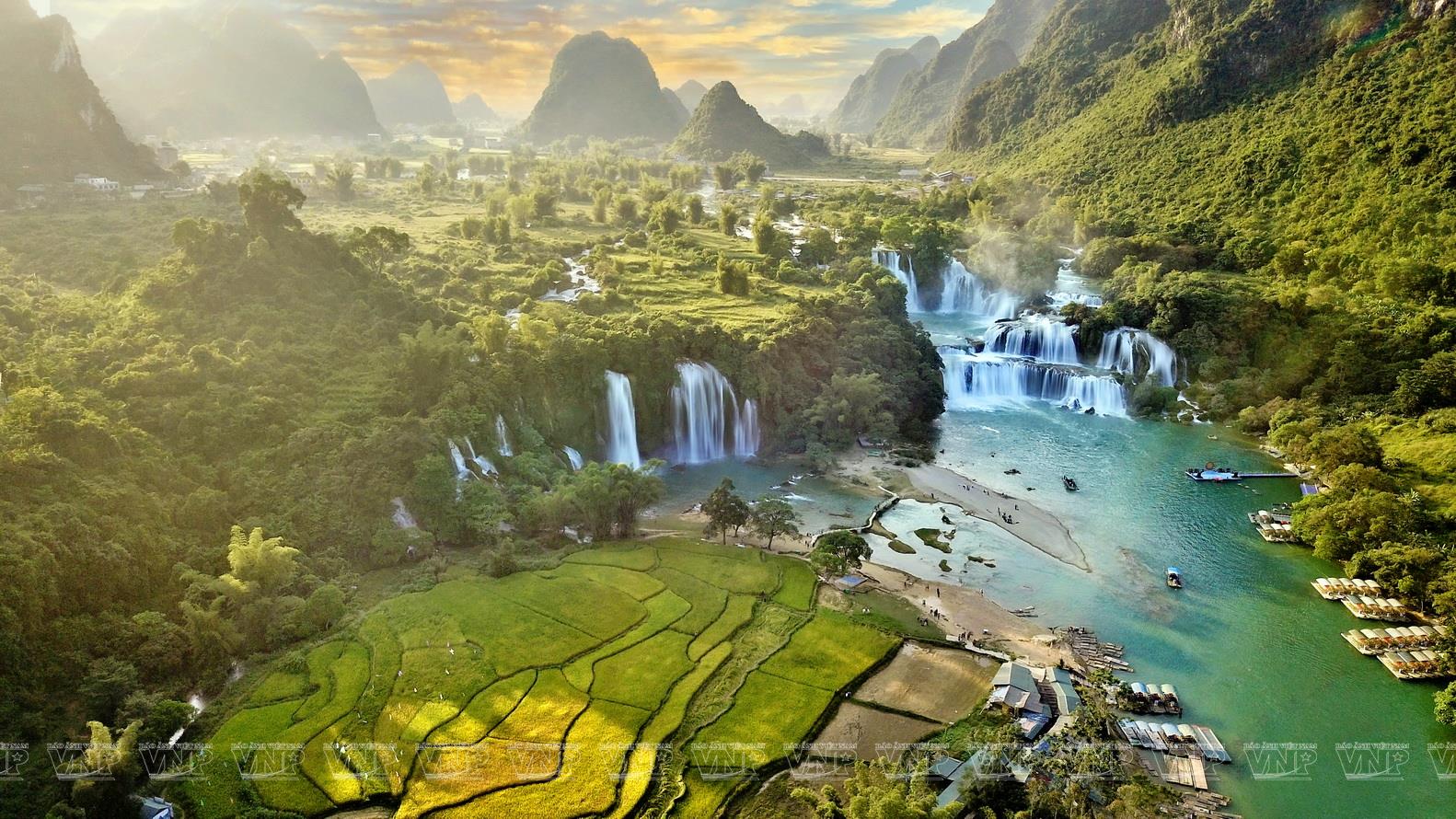
The ultimate highlight: Ban Gioc Waterfall is one of the four largest and most beautiful border waterfalls in the world, a worthy reward for your journey.
Peacefulness: Cao Bang offers a more peaceful, rustic beauty compared to Ha Giang (which is experiencing rapid tourism development).
Disadvantages:
Travel time: Although the roads are easier, you will still spend a fair amount of time on the vehicle each day.
Facilities: Services in Cao Bang are not as bustling as in Ha Giang, but they are sufficient for an experiential trip.